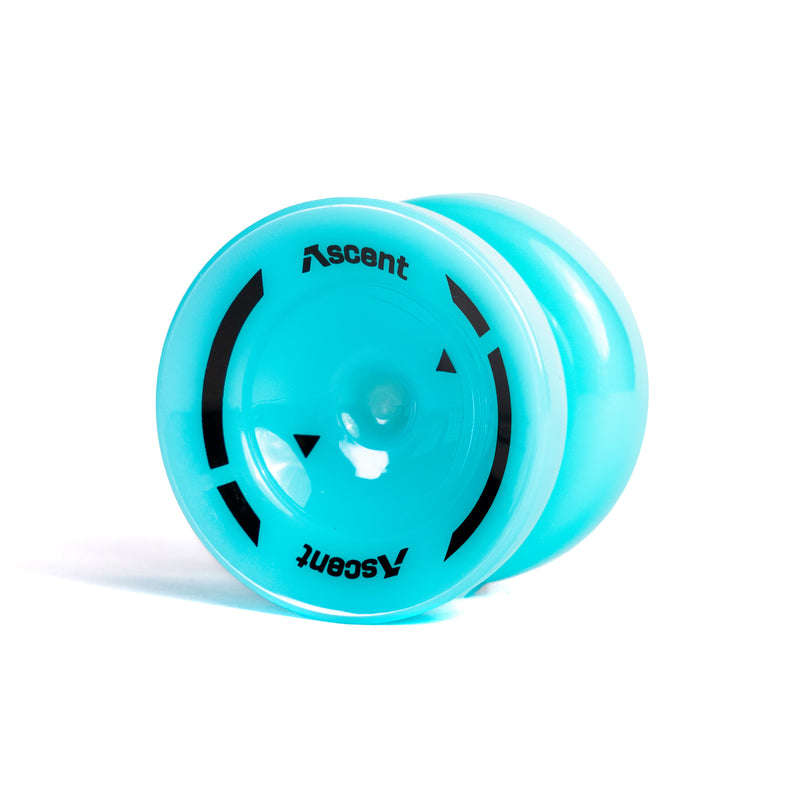
The best yo-yo for kids is a plastic one that starts responsive, so it comes back on a tug, and can switch to unresponsive later, so it keeps spinning at the bottom for harder tricks. My pick is the Ascent at $18. If you want them set up for longer, get the Ascent and Variant together in the Essential Yoyo Starter Pack.
I'm Brandon Vu. I'm a 3x Australian National Champion. Before OFFSET, I spent years learning by trial and error, and I bought yo-yos that didn't suit me. I started OFFSET in 2020 to help beginners skip those struggles.

In this video I go through our yo-yos for every level, from total beginner to the world stage. This post is the parent version. It sticks to the yo-yos for someone starting out. If you want more detail on why I pick plastic first, I cover it in another how to choose video and in an older one.
Quick picks
- First yo-yo: Ascent. It comes back on a tug. Later it can go unresponsive, so it keeps spinning at the bottom for harder tricks.
- Best gift set: Essential Yoyo Starter Pack. The Ascent plus the Variant, so the next step is already in the box.
- One yo-yo that does both stages: Plastic Cheatcode. Great for finger spins, where the yo-yo spins on your fingertip, and the DNA, a trick done from a finger spin.
- Kid who can throw a sleeper and wants a bigger yo-yo: Variant. A sleeper is a throw where the yo-yo stays spinning down low.
- Kid who has stopped hitting the floor: Metal Ascent.
- Kid who wants to compete: Beginner Breakthrough Pack.
Price table for the best yo-yos for kids
| Yo-yo | Price (USD) | Stage | Made of | Best for |
|---|---|---|---|---|
| Ascent | $18 | Day one. | Plastic. | A first yo-yo. |
| Essential Yoyo Starter Pack | See price | Day one, then the next step. | Two plastic yo-yos. | A gift that lasts. |
| Variant | $21 | Can throw a sleeper. | Plastic. | A first unresponsive yo-yo. |
| Plastic Cheatcode | $30 | Day one or later. | Plastic. | The DNA and finger spins. |
| Metal Ascent | $40 | Rarely hits the floor. | Aluminum. | A first metal yo-yo. |
| Beginner Breakthrough Pack | See price | Day one, then contests. | Plastic plus aluminum. | A kid who wants to compete. |
For the two packs, the product page has today's price. The Ascent also comes in glow in the dark.

How to choose a yo-yo for a kid
Three things matter most in a first yo-yo.
Keep the price low at the start
About twenty dollars gets you a very good beginner yo-yo. I know a lot of people who buy an expensive yo-yo first and then never use it again. Start low.

Plastic first, because it will hit the ground
Beginners are likely to hit the floor. Plastic can take it. A metal yo-yo can start to wobble after a hard drop, and that's not what you want on day one.

Pick one that can grow with them
The best first yo-yo can switch from responsive to unresponsive. That way the same yo-yo works for the first tricks and for the harder ones later. I explain what those two words mean in the parent section below.
Picks by age and stage
The ages below come from customer reviews. They're not an age rating.
The Ascent ($18) is my pick for a first yo-yo
Who it's for: any kid who has never thrown a modern yo-yo. Parents have bought it for their 8 and 11 year olds, and one told us their 8-year-old is obsessed and plays with it for hours.

The Ascent is our most popular beginner yo-yo. It starts responsive, so a tug brings it back. It comes with a kit to make it unresponsive later. It also has a small dimple in the middle that helps with finger spins and the DNA. If you had enough skill, you could use it through every stage of yo-yo.

Who it's NOT for: a kid who can already throw a sleeper and wants a bigger yo-yo to learn the bind (the move that brings an unresponsive yo-yo back) and harder tricks. Go to the Variant, or the Metal Ascent once they stop hitting the floor.
Good to know: it's smaller than the Variant, and it's built for learning your first tricks.
The best gift set is the Starter Pack
Who it's for: parents who want to buy once and cover the first two stages. You get the Ascent for the basics, plus the Variant for when they're ready for more.

The Variant is bigger and more angular. It's a hardcore plastic competition yo-yo, and it's made for intermediate string tricks that put more stress on the yo-yo. I would be lying if I told you the Ascent was as good at those tricks as the Variant.

Who it's NOT for: a kid who wants just one yo-yo. For that, get the Ascent on its own, or the Plastic Cheatcode if you want the best of the Ascent and the Variant in a single yo-yo.
Good to know: the Variant does not come back on a tug. Keep it for later, once your kid can throw a sleeper and is ready to learn the bind.
The Plastic Cheatcode ($30) does both stages in one
Who it's for: kids who want to learn the DNA and finger spins. A 10-year-old reviewer called it very durable. I co-designed it with Jeffrey Pang, and I used one to win the Czech International Open in 2023. That shows you don't have to break the bank to win yo-yo contests.
It starts responsive, and the unresponsive bearing (the small metal ring in the middle) is in the box. It also has what we call auto orientation. The yo-yo locks itself into a finger spin, which makes the DNA way easier.

Who it's NOT for: maybe not a small kid's very first yo-yo. It's bigger than the Ascent, and one reviewer said it may feel big for that.
The Variant ($21) is the next step after the basics
Who it's for: kids who can throw a sleeper, are ready to learn the bind and want a bigger yo-yo than the Ascent. It's a good first unresponsive yo-yo. If they already have an Ascent, the unresponsive bearing in its box works for the bind too. The Variant is better at the harder string tricks. It has lots of weight on the outside edge and a big diameter, so it spins for a long time and stays stable. We've had a review from a parent whose 6-and-a-half-year-old was learning tricks on it.

Who it's NOT for: a total beginner. It will not come back on a tug.
The Metal Ascent ($40) is a good first metal yo-yo
Who it's for: kids who have good control and don't hit the floor much anymore. It's our intermediate all-rounder metal yo-yo, and it's the one we use in our how to yo-yo tutorial series. The H shape makes it great for grinds, where the yo-yo spins on your finger or arm.

Who it's NOT for: a beginner who still drops the yo-yo a lot. Metal can wobble after hard drops. Get plastic first.
The Beginner Breakthrough Pack is for kids who want to compete
Who it's for: a kid who already says "I want to compete." It's the Ascent for learning, plus the DEVIANT+, my metal competition yo-yo. Keep the DEVIANT+ for later, once they can bind and have stopped hitting the floor. In 2023, OFFSET player Xavier Ng used the DEVIANT+ to win the Australian Yo-Yo Open and the Singapore Nationals.

Who it's NOT for: a kid who just wants one yo-yo for fun. The DEVIANT+ is made for one thing, contests.
The basics for parents, in plain words
Responsive vs unresponsive
A responsive yo-yo comes back up when you tug the string. It's the right way to start.

An unresponsive yo-yo keeps spinning down low, even if you tug. To bring it back, you do a move called a bind. Going unresponsive is what lets them learn the harder tricks.

The Ascent and Plastic Cheatcode do both. You switch them by swapping in the bigger bearing from the box. On the Ascent you also swap in the longer axle, the small rod the bearing sits on. My setup guide shows how, and so does my setup video.
What comes in the box
The Ascent comes with the yo-yo, a string, an unresponsive bearing for later, a longer axle and a bearing remover tool.
Strings wear out with practice. When the string twists, coils or loses tension, swap it. A 10-pack of our Professional Yoyo String is $6.99.
Buying a yo-yo as a Christmas gift
The Starter Pack covers the first two stages. If you can't decide, our digital gift card lets them pick, and there's no shipping wait.
For a physical gift, order early. Orders take 1 to 3 business days to process. After that, delivery takes 6 to 14 business days to the USA and Canada, and 6 to 30 business days to the rest of the world.

What to buy next as they get better
Once they can throw a sleeper and are ready to learn the bind, swap in the unresponsive bearing from the Ascent box. If you want to spend less, you can get by with just that. When they want a bigger yo-yo that's better at harder string tricks, move to the Variant. Once they stop hitting the floor, a metal yo-yo like the Metal Ascent is the next step. After that, a kid who wants to compete can move up to the DEVIANT+.

Our easy yo-yo tricks for beginners list shows what to learn first. If their yo-yo won't keep spinning at the bottom, my guide on why a yo-yo won't sleep walks through the fixes.
Questions parents ask about yo-yos for kids
What age can a kid start yo-yo?
I can't give you a set age. Parents have bought the Ascent for kids aged 8 and 11, and one told us their 8-year-old plays with it for hours. Whatever their age, start them on a responsive yo-yo like the Ascent.
Should my kid start with a responsive or unresponsive yo-yo?
Responsive. It comes back on a tug. Pick one like the Ascent that can switch to unresponsive later, so the same yo-yo works for harder tricks.
Is a metal yo-yo better for a beginner?
Not at the start. Beginners are likely to hit the floor, and plastic can take it. Metal can wobble after hard drops.

How much should I spend on a first yo-yo?
About twenty dollars is enough for a very good beginner yo-yo. The Ascent is $18.
Start them on the Ascent and teach them the sleeper. If you want to compare, the rest are in our beginner yo-yos collection.
Stand Apart,
Brandon Vu
Founder of OFFSET Yoyo